What Coverage do Gig Workers Qualify for 2026?
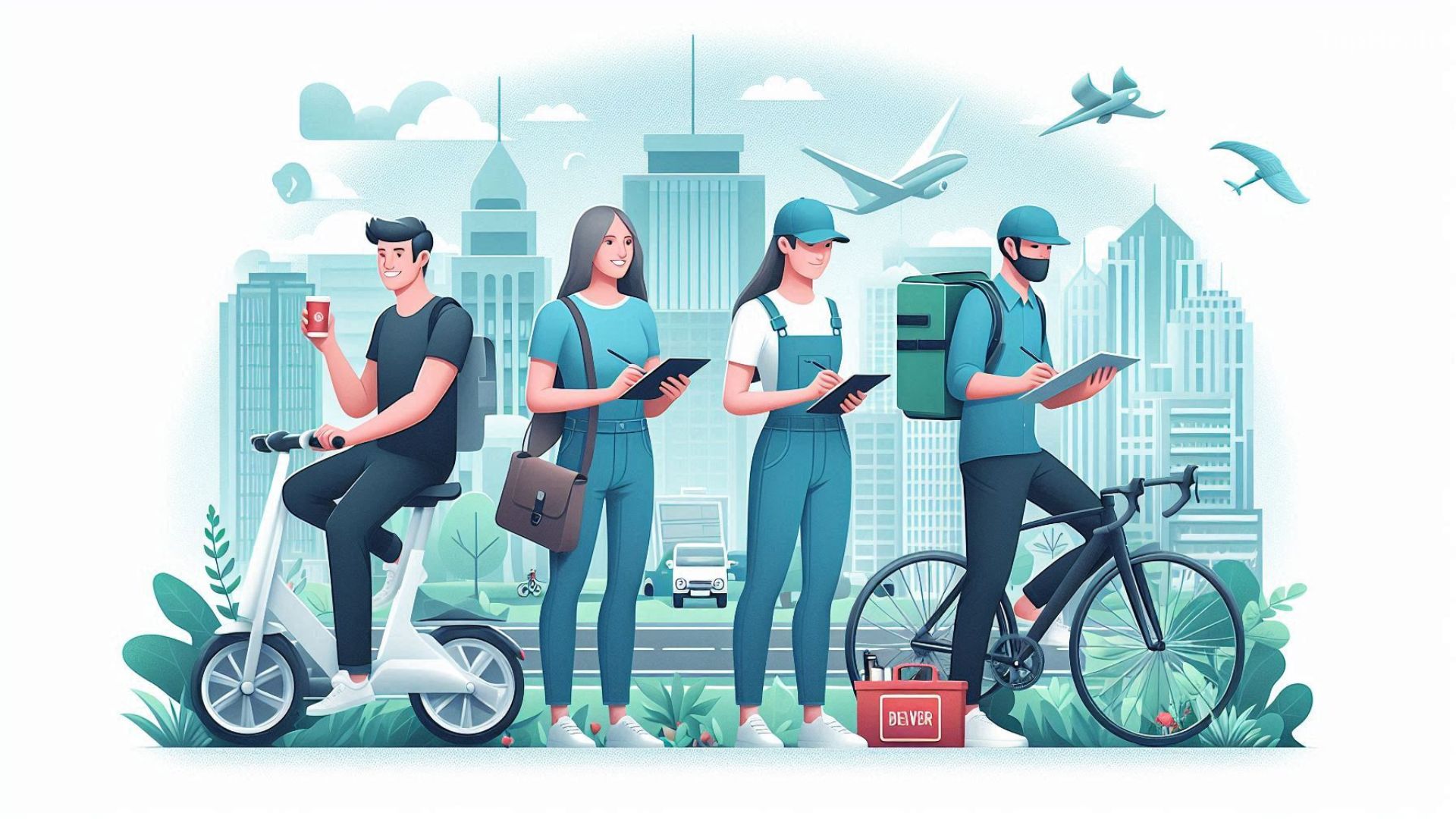
What Coverage do Gig Workers Qualify for — honestly, that’s the big question a lot of people in India’s gig economy have been asking, especially now that the number of gig workers has blown up all over the place. You see them everywhere: delivery folks weaving through impossible traffic, cab drivers working weird hours, freelancers bouncing between clients… basically the whole country is leaning on gig work in one way or another.
But even though gig work has become super common, the safety net for these workers has been almost nonexistent. No proper healthcare, barely any social security, and definitely no official recognition. It’s like the entire workforce has been running the economy without being formally acknowledged by it.
The Union Budget 2025 finally tries to fix some of this mess. Nirmala Sitharaman announced a few long overdue measures that basically say: “Okay, gig workers are real workers, and they deserve actual benefits — not just vibes.” So now we’re talking ID cards, healthcare access, and entry into government-backed programs that earlier felt totally out of reach.
So if you’re someone doing gig work — full-time, part-time, side-hustle, late-night grind, whatever — here’s the breakdown of what coverage you actually qualify for, what’s new in 2025, how to register, and why this finally matters.
What’s the Social Security Scheme for Gig Workers?
Gig workers have always kind of existed in the shadows of India’s labour system. They provide services everyone uses daily but rarely show up in official records. No formal employer, no HR department, no social security, no health insurance — basically you’re on your own if something goes wrong.

The Union Budget 2025 tries to fix at least part of this. The government is rolling out a social security approach specifically for gig workers — not just lumping them into “other workers,” but actually identifying them as a separate category.
Here’s the gist:
- Gig workers get official ID cards.
- They can get into a national database through e-Shram.
- They’ll get healthcare access under PM Jan Arogya Yojana (which is a big deal).
This isn’t going to magically solve every challenge in the gig world — companies still control most of the work — but recognition and access to benefits is a solid start. The government expects around 1 crore gig workers to benefit eventually, which shows how massive this workforce has quietly become.
Key Benefits of This Scheme
Let’s break down the stuff that actually affects your everyday life — the benefits. Because at the end of the day, no one cares about fancy policy announcements unless it changes something for them.
1. Official ID Cards
Honestly, this is long overdue. A proper ID card for gig workers means:
- You can prove your work status without awkward conversations or bank officials acting confused.
- You can apply for schemes without being told “this doesn’t apply to you.”
- You might finally get credit or microloans, because banks hate ambiguity.
A lot of gig workers have income but no documentation for that income, which makes doing simple things — like getting a loan or verifying anything — way harder than it should be.
2. Healthcare Coverage
Probably the biggest shift.
Gig workers get brought under PM Jan Arogya Yojana, which basically covers:
- Treatment for major illnesses
- Up to ₹5 lakh per year for low-income families
This doesn’t magically replace normal health insurance, but it does mean you won’t be completely stranded in a medical emergency — especially the expensive ones.
For a lot of workers who earn daily wages or per-task income, even one medical bill can wipe out months of savings. So this is genuinely helpful.
3. Access to Government Programs
Once you’re inside the e-Shram database, suddenly a bunch of government schemes become accessible instead of vague promises floating around.
These include:
- Skill development (better training, better income potential)
- Housing or rental assistance (certain schemes)
- Insurance plans made for the unorganised sector
- Pension options
- Food and welfare schemes, especially during big crises (lockdowns, floods, etc.)
Earlier, gig workers just didn’t show up in the system, so schemes technically existed but didn’t reach them. This fixes that bottleneck.
4. Financial Inclusion
One of the biggest struggles gig workers face is dealing with banks. Everything requires proof — proof of salary, proof of employer, proof of “stable income.” And gig work doesn’t fit into those neat boxes.
With recognition:
- Microloans become easier
- Workers can access insurance that actually makes sense for gig work
- Long-term planning becomes possible (savings, pension, credit history, etc.)
Basically, you become visible to financial institutions instead of being treated like someone who’s “temporarily doing something.”

Also Read: Can I get coverage if I’m unemployed?
Who’s Eligible?
Okay, so who actually qualifies? This part is simple but important.

A gig worker, as defined in the Code on Social Security (2020), is someone doing work that:
- Isn’t under a traditional employer
- Is short-term, task-based, or platform-based
- Often involves apps or digital platforms
Examples:
- Cab drivers (Ola, Uber, Rapido)
- Delivery workers (Swiggy, Zomato, Dunzo)
- Freelancers of any kind (writers, designers, developers, content creators)
- On-demand service workers (electricians, plumbers, home beauticians)
- Tutors, part-time workers, installers, repair technicians — basically anyone doing task-based independent work
Basic Eligibility Criteria:
- Must be part of the unorganised sector
- Age between 16 and 59 years
- Must meet the basic requirements for e-Shram registration
So, yes, even part-timers and freelancers count. You don’t need to be tied to a platform like Swiggy or Ola. You just need to be doing work that isn’t covered under a formal employee contract.

Also Read: What Plans are Best for Low-Income Individuals?
What Is the e-Shram Portal?
The e-Shram portal is basically the government’s attempt to create a national worker database — particularly for sectors that don’t have HR departments, standard payroll systems, or proper documentation.
Some quick details:
- Every worker gets a Universal Account Number (UAN)
- The portal already has 30.58 crore+ workers registered (as of Jan 2025)
- It connects workers to 12 government schemes, including healthcare, insurance, pension, and skill programs
Think of e-Shram as a “central hub.” Once you’re inside it, the government knows you exist, what you do, and what you might need. That sounds a bit intense, but in practice, it means you get access to benefits you probably didn’t have before.
How to Apply for an e-Shram Card (Step-by-Step)
Good news: the process isn’t complicated, doesn’t cost anything, and you don’t need to stand in a long line somewhere.
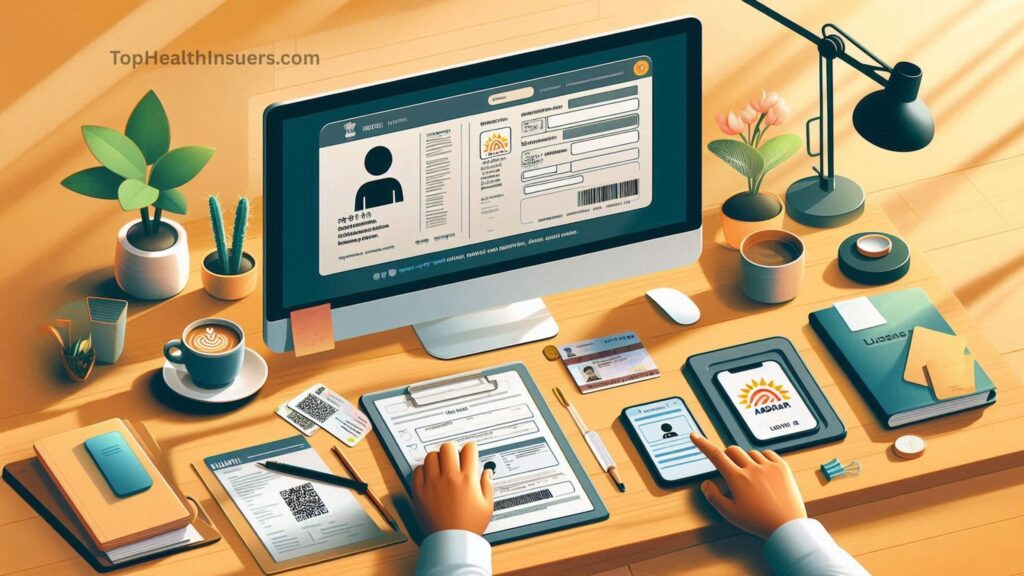
Here’s the straightforward version:
- Visit the official e-Shram portal.
- Enter your Aadhaar-linked mobile number → click Send OTP.
- Agree to the terms → enter the OTP.
- Verify your Aadhaar details (name, DOB, everything).
- Fill out your personal details — address, education, bank account, nominee.
- Select your skill type, industry, and nature of work.
- Submit the form.
Once you hit submit, your e-Shram card is generated — along with your UAN. Save it, screenshot it, download it, whatever works for you.
This card is what unlocks the benefits mentioned earlier.

Also Read: Which Insurance Plans Cover Self-Employed Individuals?
Final Thoughts
Here’s the thing: none of these schemes magically fix the bigger structural issues in the gig economy — like low pay, unstable hours, or platform policies. But these changes do give gig workers something they genuinely lacked: basic protection and recognition.
Let’s look at two real-ish examples:
Riya — food delivery worker in Bengaluru
She used to avoid hospitals unless absolutely necessary because one serious bill could drain her entire savings. After registering on e-Shram, she now gets coverage under PM Jan Arogya Yojana. It doesn’t solve everything, but at least she has a safety net.
Arjun — freelance designer in Mumbai
He wanted a small loan to upgrade his laptop. Banks kept asking for payslips or company letters. He had none. After getting his gig-worker ID, he finally became eligible for a microloan — something he’d been trying to get for years.
Stories like these will become more common as more gig workers register.
The bottom line: it’s worth taking the time to register. These benefits aren’t perfect, but they’re a solid start toward treating gig work as actual work, not a temporary side thing.
FAQs About Gig Worker Coverage
Q1. Can gig workers under 18 register on the e-Shram portal?
Yes — the minimum age is 16.
Q2. Does registration cost anything?
Nope. It’s 100% free.
Q3. Can part-time gig workers register?
Absolutely. Part-time, full-time, occasional — doesn’t matter.
Q4. How long does it take to receive the e-Shram card?
Usually just a few days, sometimes faster.
Q5. What healthcare benefits do gig workers get?
Coverage under PM Jan Arogya Yojana, which gives up to ₹5 lakh per year for major illnesses.
Post Comment