Best Mental Health Coverage Providers In 2026

Best Mental Health Coverage Providers are something people don’t talk about enough, even though mental health touches almost everyone. It’s quiet. It doesn’t always show. But it’s everywhere.
More than a billion people live with mental health or substance use challenges today. Depression is now the leading cause of disability worldwide, and every 40 seconds, someone dies by suicide — many of them young, many unheard.
In low- and middle-income countries, nearly 75% of those who need care never receive it due to lack of access, professionals, or resources. That’s why conversations around awareness, support, and best mental health coverage providers matter more than ever.
At the Mental Help Foundation, we face this reality honestly — believing that everyone deserves access to care, dignity, and hope.
Why We Exist
The Mental Help Foundation exists because mental health shouldn’t be something only a few people can afford or talk about. It shouldn’t depend on where you were born or how much money you have or whether your culture allows you to talk about feelings.

Everyone deserves support. Everyone deserves to feel like someone cares.
We work to make mental health and substance abuse support more available and easier to reach. We try to educate people, raise awareness, and build tools that actually help in real life — not just in theory.
Through things like Angelminds Academy and the HelpMe2 Movement, we try to break the silence around mental health. Not by shouting, but by opening space. By letting people talk. By letting people be human.
What We Do :
Training people to help other people
One of the biggest problems in mental health is that there just aren’t enough trained people. Especially in communities that already struggle with resources.
Angelminds Academy focuses on training first responders and everyday community members to recognize mental health and substance abuse struggles early. We teach them how to listen without judging. How to notice warning signs. How to respond without making things worse.
These are people who already live in the community. People others trust. When they get trained, they become someone safe to talk to. Sometimes they’re the first person someone opens up to. Sometimes the only one.
That matters more than people realize.
HelpMe2 Movement
A place to talk when you don’t know who else to talk to

A lot of people don’t speak up because they’re afraid. Afraid of being judged. Afraid of being laughed at. Afraid of being told to “just be strong.”
HelpMe2 exists for those people.
It’s a space where people can share their stories, say what they’re going through, or just say “I’m not okay” without being attacked or dismissed. Some people come to vent. Some come to ask questions. Some just want to read and feel less alone.
When you see someone else describe the same thoughts you’ve been hiding, something shifts. You realize you’re not broken. You’re human.
HelpMe2 is also about speaking up for change. Turning quiet pain into something that can push for better mental health care and understanding.
Using Technology (But Not Forgetting People)
We use technology because it helps us reach people who otherwise wouldn’t get help at all. That’s the honest reason.
In many places, there are no therapists nearby. No clinics. No counselors. But there is usually a phone. Or some internet access. That’s where technology can help.
We’re building digital tools and AI-based platforms to help connect people to support. But we’re very careful about one thing: technology should never replace human care. It should support it.
Everything we build is meant to help people connect — not feel more isolated.
Also Read : Best Health Insurance Companies for Families in
MindFru Helping the Helpers
Mental health professionals are tired. Burned out. Overworked. A lot of them are doing their best with very little support.

MindFru was created to make their work a bit easier.
It helps with writing notes, tracking how clients are doing, and keeping things organized. It supports something called measurement-based care, which basically means using real information to understand if therapy is helping or not.
With MindFru, clinicians can:
- Spend less time on paperwork
- Keep better track of progress
- Stay connected with clients between sessions
- Make clearer treatment decisions
This is especially important in Africa and other places where there are very few professionals for a lot of people. MindFru helps stretch limited resources without cutting corners.
Social Media Style AI Support
We’re also building a platform that works a bit like social media but with a different purpose: helping people when they’re struggling.
This AI-powered system connects people with trained mental health first responders called AngelMinds. It tries to understand what someone needs and match them with the right kind of support.
People can get:
- Someone to talk to in real time
- Emotional support when things feel heavy
- Guidance and helpful resources
- A human response instead of silence
Sometimes one conversation can change how a night ends. Or how a week feels. Or whether someone gives up.
Online Support Communities
Not everyone needs one-on-one help right away. Sometimes people just need to sit in a space where others understand.

Our online support communities give people that space. They’re moderated by professionals and AngelMinds so things stay safe and respectful.
People can share their experiences, ask questions, or just read and relate. Many realize for the first time that they’re not alone in what they’re feeling.
That alone can be powerful.
Mental Health Assessment Tool
A lot of people don’t know how to start. They don’t know what’s “wrong” or whether it even counts as a mental health issue.
Our assessment tool is meant to be a gentle first step. It asks simple questions and gives feedback based on the answers. Nothing scary. Nothing judgmental.
It helps people understand themselves a little better and points them toward resources that might help.
Sometimes that’s all someone needs to take the next step.
Also Read : What are the Best Plans for Families with Children?
Learning and Training That Makes Sense
Education matters, but only if it’s actually useful.

Our platform includes videos, quizzes, and trainings about mental health and substance abuse. A big focus is on training first responders and community members so they feel more confident helping others.
Everything is designed to be simple and accessible from a phone. No complicated language. No heavy theory. Just practical tools people can actually use.
Our AI Tools: AngelMinds & MindFru
AngelMinds
Angelminds helps people find support faster. It uses AI to understand what someone might need and guide them toward help, resources, or a real person.
It’s meant to feel supportive, not cold. Helpful, not robotic.
MindFru
MindFru helps mental health professionals do their work better by organizing information, tracking outcomes, and offering insights over time.
It’s about making care more effective without losing the human side.
A Message From Our Founder
Dear friends,
I didn’t always take mental health seriously. I used to question it. I didn’t really understand it.
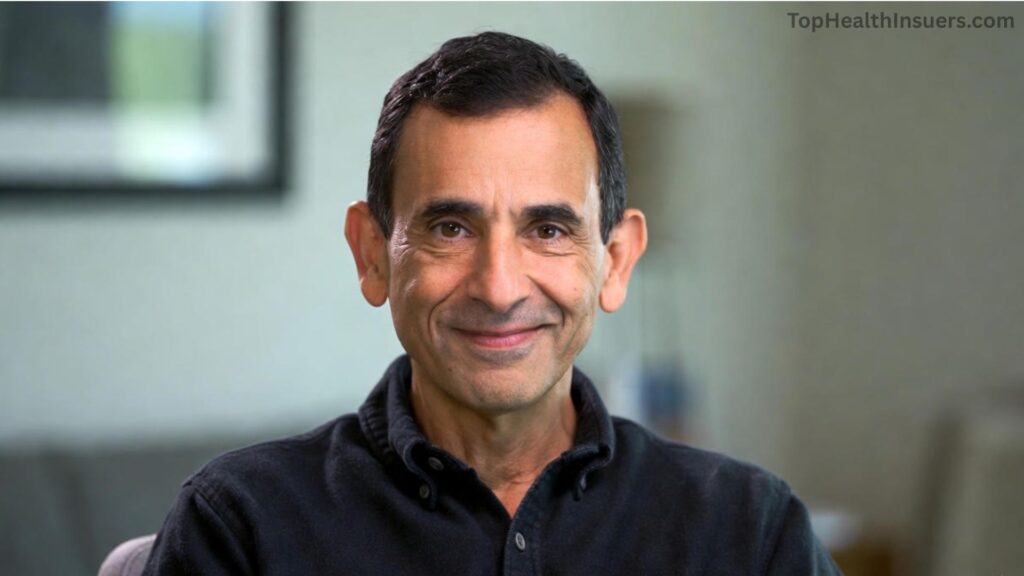
Then life hit me.
There was a time when I was overwhelmed, stressed, and carrying more than I knew how to handle. I tried to push through. I tried to pretend I was fine. But I wasn’t.
What really changed me was seeing people close to me going through the same thing. Friends. Family. People I loved. I could see the pain in them, even when they tried to hide it.
That’s when it clicked for me. Mental health is real. And it can be devastating when there’s no support.
That’s why I started the Mental Help Foundation. I didn’t want people to feel as alone as I did. Or as helpless as I saw others feel.
We’re here to listen. To support. To build something that actually helps people.
Mental health matters. You matter. And we can do better together.
A Little Help Really Can Change Things
When people in a community are trained to recognize mental health struggles, things start to shift. Problems get noticed earlier. People speak up sooner. Support shows up faster.
Even small actions can have a big impact when they come from care.
Help Us Make a Difference
Mental health affects all of us, whether we talk about it or not. Change only happens when people decide to care enough to act.

Your support helps us:
- Provide access to mental health and substance abuse help
- Support people who can’t afford care
- Run support groups for those suffering quietly
- Train community members and first responders
- Build safe spaces for people to speak honestly
If you’re able to give, you help keep this work going. You help someone feel less alone. You help someone hold on a little longer.
Conclusion
In the end, this really isn’t about lists or rankings or who has the “best” anything. It’s about people. People who are tired. People who are hurting. People who don’t always know how to explain what’s going on inside them.
Mental health doesn’t usually look dramatic. Most of the time it looks quiet. Like someone just trying to get through the day. Smiling when they don’t feel okay. Pushing things down because they don’t have another option.
And the truth is, a lot of people still don’t have the support they need. Not because they don’t want help, but because help feels far away, expensive, confusing, or just… not there.
There’s no clean ending to this. No perfect solution. Just the hope that talking about it more, caring a little more, and paying attention a little longer can make things easier for someone out there.
If this made you pause for a second, that already matters.
Frequently Asked Questions (FAQs)
Q. What does “best mental health coverage providers” actually mean?
Ans: It usually means providers or systems that make mental health care easier to access, more affordable, and more human. Not just big names or insurance plans, but anything that helps people actually get support when they need it.
Q. Why is mental health coverage such a big issue right now?
Ans: Because a lot of people are struggling, and the systems meant to help them aren’t keeping up. Therapy is expensive, access is limited, and in many places it barely exists. So people fall through the cracks.
Q. Is mental health really that common?
Ans: Yes. Way more common than most people think. Almost everyone knows someone dealing with anxiety, depression, stress, or substance use — even if it’s never talked about openly.
Q. Why don’t people just ask for help?
Ans: It’s not that simple. Some people are scared of being judged. Some can’t afford care. Some don’t have services near them. Others don’t even have the words to explain what they’re feeling. Silence isn’t a choice for many — it’s what they’re left with.
Q. Are mental health services only for people in crisis?
Ans: No. You don’t have to be “at your worst” to deserve support. Mental health care can help with stress, burnout, confusion, grief, or just feeling stuck. It’s okay to get help before things fall apart.
Post Comment